As your state nonprofit association, we are here to provide resources to strengthen your organization.
As your state nonprofit association, we are here to provide resources to strengthen your organization.
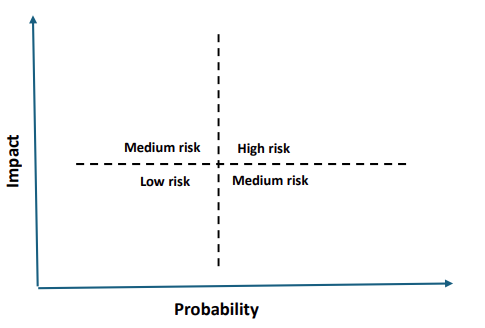
Using a matrix to address challenges can be a way for a group of people to dive in together and discuss their perspectives on how they see the issues and topics playing out in their collective space. The gift is not just in the categorization but in the dialogue. Please note that part especially – it is not just you at your desk unpacking things into quadrants or categories, it is the group journey that is essential. There are many versions of a risk matrix that are general to the overall health of the organization and more specific when it comes to people, money, programs, legality, partnerships and more.
This simple overall risk matrix invites the team to:
Here are a few prompts to get you started. You can use all the options or just one. Be sure to stop at each and map the collective answer in the correct quadrant.
Option 1: The “what you know now” approach
Option 2: The “crystal ball” approach
Option 3: The “key resilience levers” approach
In each category, consider how each changes your risk level and the probability of impact.
Prioritize your next steps
Next step after any or all of the options. This step should involve board and management discussion to establish priorities:
Consider these questions to determine if your risk assessment shifts or if there is knowable action as a result:
Don’t expect to manage every risk!
This seemingly simple exercise can have a profound impact on the team, helping to quiet anxiety about things that are less a risk than first understood and focusing the group on the areas that can be managed and planned for.